Corn Biotechnology Research: Concrete Evidence of Science Translating into National Food Security
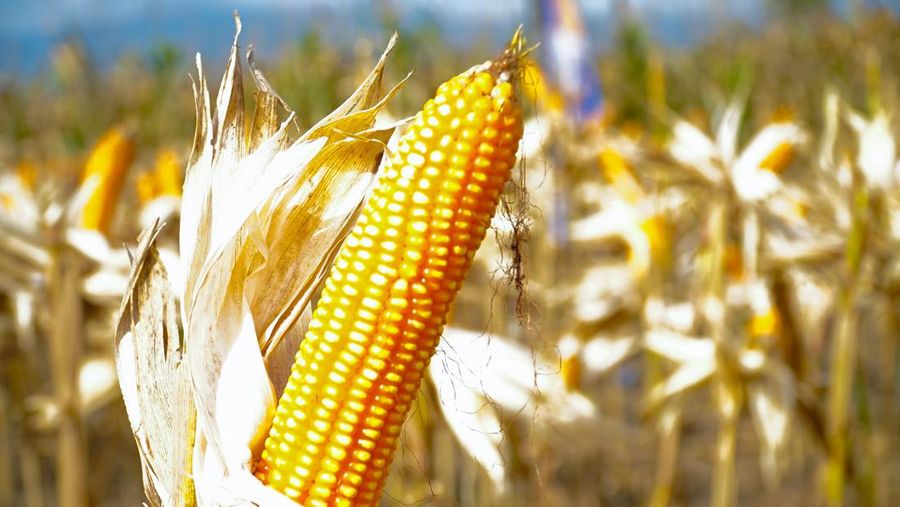
The CNBC Indonesia article titled “Years of Research: Biotechnology Can Increase Corn Yields” is one of the pieces written for World Food Day that highlights the role of biotechnology in supporting food security. This article is a real example of how long-term plant biotechnology research can transform into innovations that directly impact the agricultural sector. Developing corn through biotechnology isn't just about increasing harvest yields; it's also a result of a deep understanding of genetic mechanisms, plant physiology, and environmental interactions. Technologies like genetic engineering and marker-assisted selection allow the development of crop varieties with higher resistance to both biotic and abiotic stresses. This shows that biotechnology is no longer confined to the laboratory but has entered the stage of translating molecular research into increased productivity and efficiency on farmland. However, the success of this research isn't solely determined by technological sophistication, but also by our ability as academics and researchers to bridge science with public policy and farmers' needs. The adoption of biotechnology in the field still faces ethical, regulatory, and social challenges. Therefore, broader science literacy and evidence-based policies are needed so that the public understands that biotechnology is not a threat, but a scientific solution towards precision agriculture that can adapt to climate change. If research like this continues to be developed with sustainability principles, biotechnology will become a main pillar towards Indonesia's food self-sufficiency.
